Silica Sand
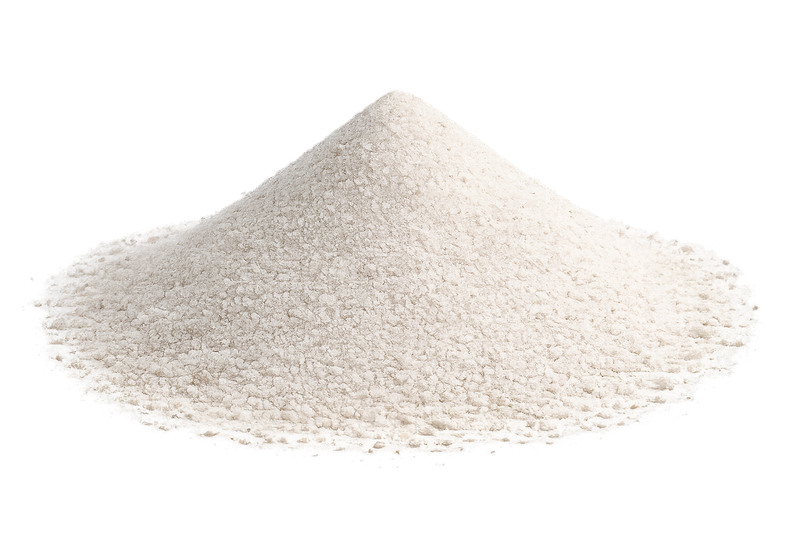
Silica sand is a naturally occurring granular material composed primarily of silicon dioxide (SiO₂) in the form of quartz. It is one of the most abundant minerals on Earth and is widely used in construction, manufacturing, and industrial processes.
Key Characteristics
Chemical Composition: Silicon Dioxide (SiO₂)
Purity: Typically ranges from 95% to over 99.9% SiO₂ depending on the application.
Color: White, off-white, beige, or light brown.
Hardness: 7 on the Mohs hardness scale.
Particle Size: Available in various grades, from very fine to coarse.
Common Uses of Silica Sand
| Industry | Application |
|---|---|
| Construction | Concrete, mortar, cement, plaster, screeds |
| Glass Manufacturing | Primary ingredient for flat glass, bottles, and fiberglass |
| Foundries | Molds and cores for metal casting |
| Water Treatment | Filtration media in water purification plants |
| Ceramics | Tiles, sanitary ware, porcelain |
| Sports & Recreation | Golf bunkers, beach volleyball courts, artificial turf infill |
| Oil & Gas | Hydraulic fracturing ("frac sand") |
| Chemicals | Production of silicon, sodium silicate, and other chemicals |
| Paints & Coatings | Filler and texture enhancer |
| Landscaping | Decorative sand and paving applications |
Why is Silica Sand Valuable?
High-quality silica sand is prized because it:
Has a high silica content.
Contains very low levels of iron and clay impurities.
Is chemically stable.
Is hard and resistant to weathering.
Can withstand high temperatures.
These properties make it suitable for demanding industrial applications such as glassmaking and metal casting.
Different Grades
Different industries require different specifications.
| Grade | Typical SiO₂ Content | Main Use |
|---|---|---|
| Construction Grade | 95–98% | Concrete and mortar |
| Glass Grade | >99.5% | Glass manufacturing |
| Foundry Grade | >98% | Metal casting |
| Filter Grade | >96% | Water filtration |
| Frac Sand | >99% | Oil and gas extraction |
Silica Sand in Construction
In construction, silica sand is commonly used to:
Improve concrete strength.
Produce mortar and plaster.
Manufacture paving blocks.
Make roof tiles.
Produce precast concrete products.
Manufacture cement.
Its consistent particle size and cleanliness contribute to better workability and durability.
Silica Sand in South Africa
South Africa has significant silica sand deposits, particularly in:
Gauteng
Limpopo
Mpumalanga
Northern Cape
Western Cape
KwaZulu-Natal
The material is supplied to industries including:
Glass manufacturers
Construction companies
Water treatment facilities
Foundries
Ceramics producers
Health and Safety
While silica sand itself is not hazardous in its solid form, respirable crystalline silica dust generated during cutting, grinding, crushing, or handling can be harmful if inhaled over long periods.
Long-term exposure may lead to:
Silicosis
Chronic obstructive pulmonary disease (COPD)
Lung cancer (with prolonged exposure)
Kidney disease
Recommended safety measures include:
Dust suppression (water sprays)
Local exhaust ventilation
Wearing appropriate respiratory protection (e.g., P2/N95 or higher where required)
Protective eyewear and gloves
Good housekeeping to minimize dust accumulation
Summary
Silica sand is a high-purity quartz sand that is an essential raw material across many industries. Its high silicon dioxide content, durability, and chemical stability make it indispensable for construction, glass manufacturing, foundries, water filtration, ceramics, and many other applications. High-quality silica sand is especially valued for producing premium glass and precision industrial products.