Plaster Sand
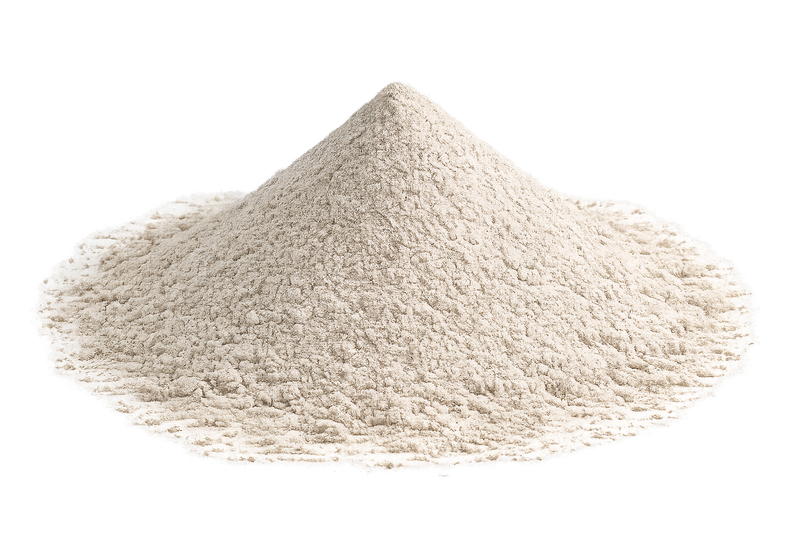
Plaster sand is a fine, clean, washed sand specifically used for plastering walls, ceilings, and other surfaces to produce a smooth, even finish. It is finer than building sand and contains very little clay, silt, organic matter, or large particles that could weaken or roughen the plaster.
Characteristics of Good Plaster Sand
Fine grain size: Typically between 0.15 mm and 2.36 mm.
Clean: Free from clay, dust, roots, salts, and organic materials.
Washed: Removes impurities that could affect the strength and appearance of the plaster.
Consistent texture: Ensures a smooth, crack-resistant finish.
Common Uses
Internal wall plastering
External wall plastering
Ceiling plastering
Decorative finishes
Repairing cracks and damaged plaster
Cement render and screeds (where a fine finish is required)
Benefits
Produces a smooth surface ready for painting.
Improves adhesion between plaster and masonry.
Reduces cracking when mixed correctly.
Creates a stronger, more durable plaster.
Easier to trowel and finish than coarse sand.
Typical Mix Ratios
| Application | Cement : Plaster Sand |
|---|---|
| Internal plaster | 1 : 4 to 1 : 5 |
| External plaster | 1 : 3 to 1 : 4 |
| Ceiling plaster | 1 : 4 |
The exact ratio may vary depending on local building standards and the required finish.
Plaster Sand vs Building Sand
| Feature | Plaster Sand | Building Sand |
|---|---|---|
| Grain Size | Fine | Medium to coarse |
| Texture | Smooth | Coarser |
| Primary Use | Plastering | Bricklaying and concrete work |
| Finish | Smooth | Rough |
| Impurities | Very low | Can contain more fines and clay |
How to Identify Good Plaster Sand
Light brown, yellow, or grey in colour (depending on the source).
Feels smooth when rubbed between your fingers.
Contains very few stones or pebbles.
Does not leave excessive dirt or clay residue when mixed with water.
Why It Matters
Using coarse building sand instead of plaster sand can result in:
A rough wall finish.
Poor workability.
Increased risk of cracking.
Higher paint consumption due to the uneven surface.
Reduced adhesion of the plaster.
For the best results, always use washed, high-quality plaster sand from a reputable supplier, especially for final finishing coats where appearance and durability are important.