Crusher Sand with fines
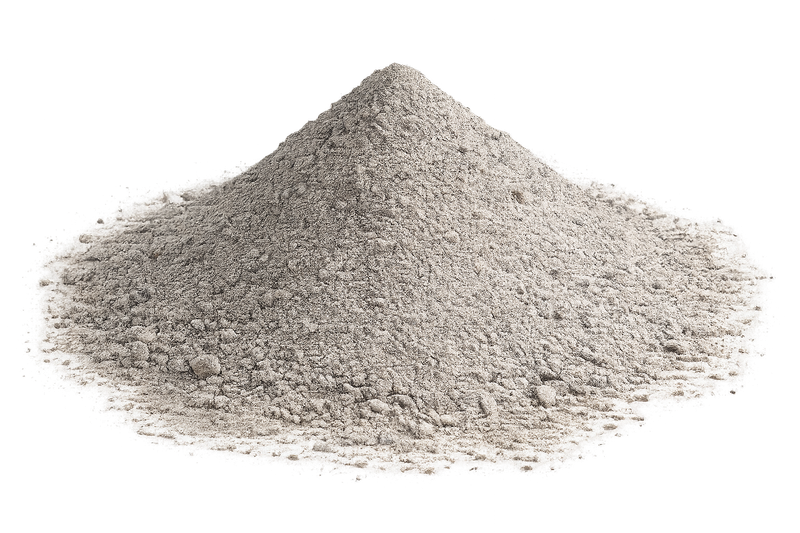
Crusher sand with fines is a manufactured aggregate produced by crushing hard rock (such as granite, basalt, dolomite, quartzite, or limestone). It contains a mixture of fine particles, including very small dust-like particles called "fines."
What are "fines"?
Fines are the smallest particles in the material, typically:
Smaller than 0.075 mm (75 microns).
Consist of stone dust and tiny crushed rock particles generated during the crushing process.
Typical Composition
Crusher sand with fines generally contains:
Fine sand particles (0.075 mm to 4.75 mm)
Stone dust (fines)
Angular-shaped particles that interlock well
Unlike natural river sand, crusher sand is angular rather than rounded.
Advantages
Excellent Compaction
The fines fill the gaps between larger particles, resulting in:
Higher density
Stronger base layers
Less movement after compaction
Improved Stability
Ideal for:
Driveways
Paving brick bedding
Road base construction
Foundations
Cost Effective
Usually less expensive than washed river sand.
Better Drainage Control
Depending on the percentage of fines, it can reduce excessive water movement while still allowing adequate drainage.
Disadvantages
Can Retain Water
Too many fines may:
Reduce drainage
Cause muddy conditions when wet
Dust
Dry crusher sand can generate dust during handling.
Not Ideal for All Concrete
Excessive fines can increase water demand in concrete mixes unless the material meets the required grading specifications.
Common Uses
| Application | Suitable? |
|---|---|
| Brick laying | ✔ Yes (depending on grading) |
| Paving bedding | ✔ Excellent |
| Under paving blocks | ✔ Excellent |
| Road construction | ✔ Excellent |
| Foundations | ✔ Excellent |
| Pipe bedding | ✔ Yes |
| Concrete | ✔ If graded correctly |
| Plastering | ✖ Usually not (washed plaster sand is preferred) |
Crusher Sand vs Washed River Sand
| Crusher Sand | River Sand |
|---|---|
| Manufactured | Naturally occurring |
| Angular particles | Rounded particles |
| Contains fines | Usually washed clean |
| Better compaction | Better workability |
| Lower cost | Higher cost |
| Excellent for paving | Better for plastering and decorative concrete |
Typical Uses in Southern Africa
Crusher sand with fines is widely used for:
Paving installations
Interlocking brick projects
Driveways
Warehouse floors
Industrial yards
Road sub-bases
Building foundations
Landscaping
Brick manufacturing (depending on mix design)
Is Crusher Sand with Fines Good for Bricklaying?
Yes, if the grading is suitable. Many contractors use crusher sand with fines for bricklaying because:
It provides good bond strength.
It compacts well.
It reduces voids in the mortar.
However, if the fines content is too high, the mortar may require more water and could be more prone to shrinkage. For structural brickwork, it's important that the sand complies with the relevant grading and cleanliness requirements (such as SANS specifications in South Africa).
In summary, crusher sand with fines is a versatile, durable, and economical material that performs particularly well in paving, roadworks, foundations, and many masonry applications due to its excellent compaction and interlocking properties.