Crusher Sand Light
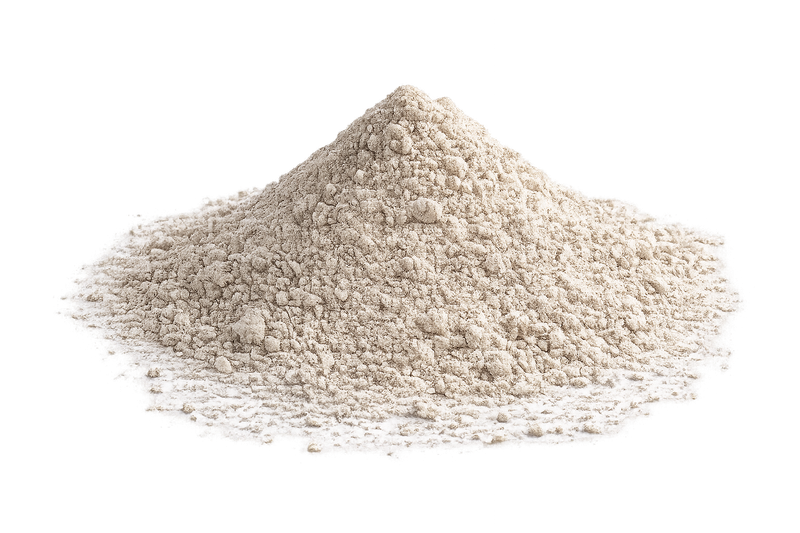
Crusher Sand Light (also called Light Crusher Sand, Fine Crusher Sand, or Manufactured Sand (M-Sand) depending on the supplier) is a fine aggregate produced by mechanically crushing hard rock, such as granite, basalt, or quartzite, into sand-sized particles.
It is called "Light" because it contains less fine dust and fewer coarse particles than standard crusher sand, making it easier to work with for finishing applications.
Typical Characteristics
Colour: Light grey to beige (depending on the source rock)
Particle Size: Generally 0–4.75 mm
Shape: Angular particles (provides excellent bonding)
Dust Content: Lower than standard crusher sand
Clean, consistent grading
Common Uses
Bricklaying Mortar
Excellent for laying bricks and blocks
Produces strong mortar
Better bonding than river sand
Plastering
Suitable when properly screened
Creates a smooth finish
Less shrinkage cracking
Concrete
Used in residential concrete mixes
Floors
Slabs
Foundations
Driveways
Paving
Bedding sand for paving bricks
Joint filling (when specified)
Advantages
Consistent quality
Better strength than many natural sands
Excellent compaction
Readily available
Environmentally friendly (reduces river sand mining)
Cost-effective
Disadvantages
Angular particles require slightly more water than river sand
Poor-quality crusher sand with excessive dust can reduce workability
Quality varies between suppliers
Comparison
| Property | Crusher Sand Light | River Sand |
|---|---|---|
| Source | Crushed rock | Naturally occurring |
| Shape | Angular | Rounded |
| Strength | Excellent | Good |
| Bonding | Excellent | Good |
| Workability | Good | Very Good |
| Cost | Usually lower | Usually higher |
| Consistency | High | Can vary |
Typical Applications in South Africa
Crusher Sand Light is commonly supplied by quarries and building material suppliers for:
Bricklaying
Plastering
Concrete production
Floor screeds
Paving
Residential and commercial construction
Is it suitable for bricklaying?
Yes. Crusher Sand Light is one of the most commonly used sands for bricklaying in South Africa because it:
Produces strong mortar
Provides excellent adhesion to bricks
Is more consistent than river sand
Is generally more affordable
For best results, ensure the material complies with SANS 1083 (Aggregates for Mortar and Plaster) or the relevant South African aggregate specifications, and buy from a reputable supplier to ensure the grading and dust content are suitable for your intended application.