Crusher Sand
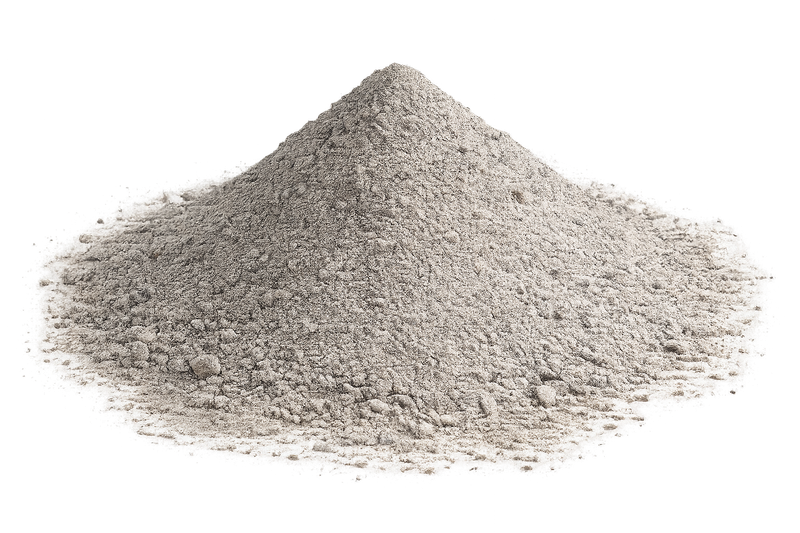
Crusher Sand (also called manufactured sand (M-sand) or quarry sand) is a fine aggregate produced by mechanically crushing hard rock such as granite, basalt, or dolomite into small particles. It is commonly used as an alternative to natural river sand in construction.
What is Crusher Sand Made Of?
Crusher sand is produced by:
Blasting and extracting rock from a quarry.
Crushing the rock using jaw and cone crushers.
Screening the material into different sizes.
Washing (if required) to remove excessive dust and fines.
The finished product typically has particle sizes ranging from 0 mm to 4.75 mm.
Common Uses of Crusher Sand
1. Concrete Production
Residential foundations
Floors
Columns
Slabs
Driveways
Benefits
High strength
Consistent quality
Excellent bonding with cement
2. Bricklaying Mortar
Mixed with cement to produce mortar for:
Face brick
Stock brick
Block work
3. Plastering
A finer grade of crusher sand can be used for plaster.
Some builders prefer washed plaster sand because it provides a smoother finish.
4. Paving
Used under:
Interlocking paving
Concrete paving
Brick paving
Provides a stable bedding layer.
5. Backfilling
Suitable for:
Trenches
Pipe bedding
Foundations
Under floor slabs
Advantages of Crusher Sand
✔ Consistent grading
✔ Better compressive strength
✔ Readily available
✔ Lower environmental impact than river sand
✔ Good compaction
✔ Often more cost-effective than river sand
Disadvantages
Can contain excessive stone dust if not washed.
Poor-quality crusher sand can require more water in concrete mixes.
Not all crusher sand is suitable for plastering.
Quality varies between suppliers.
Crusher Sand vs River Sand
| Feature | Crusher Sand | River Sand |
|---|---|---|
| Source | Crushed rock | Natural river deposits |
| Shape | Angular | Rounded |
| Strength | Higher | Good |
| Availability | Excellent | Becoming scarce |
| Cost | Usually lower | Often higher |
| Environmental Impact | Lower | Higher (river mining) |
| Consistency | Very consistent | Can vary |
Typical Colour
Crusher sand is usually:
Grey
Brown
Light tan
Bluish-grey
The colour depends on the parent rock.
Typical Density
1,500–1,700 kg/m³ (loose bulk density)
Recommended Uses
| Application | Suitable? |
|---|---|
| Concrete | ✅ Excellent |
| Bricklaying | ✅ Excellent |
| Paving | ✅ Excellent |
| Foundations | ✅ Excellent |
| Pipe Bedding | ✅ Excellent |
| Screeds | ✅ Good |
| Plastering | ⚠ Only if a fine, washed grade is used |
Is Crusher Sand Good for Building?
Yes. When sourced from a reputable quarry and correctly graded, crusher sand is widely used in residential, commercial, and industrial construction. Many engineers and contractors prefer it because it provides consistent quality, reliable strength, and dependable supply. For plastering and decorative finishes, however, a finer washed plaster sand is often the better choice to achieve a smoother surface.