Compost Mix
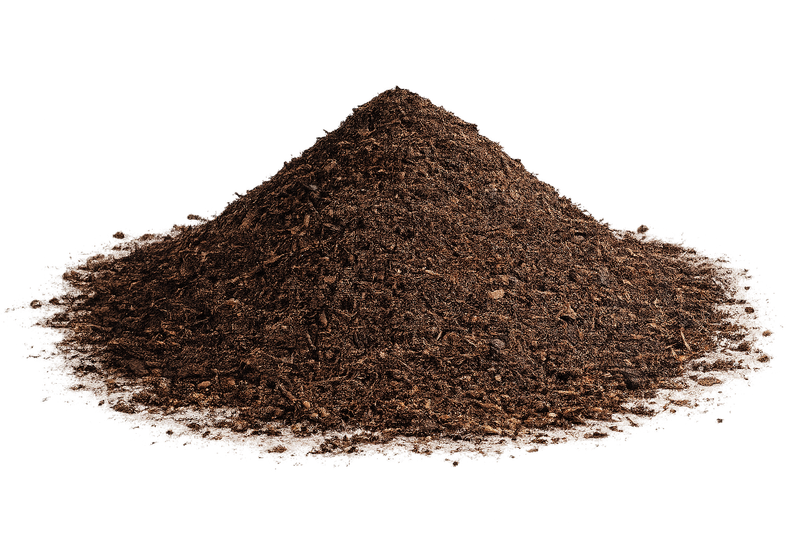
A compost mix is a blend of decomposed organic materials that is used to improve soil quality and provide nutrients for plants. It is commonly used in gardens, landscaping, vegetable production, and agriculture.
What is in a Compost Mix?
A quality compost mix may contain:
Composted plant material (grass, leaves, branches)
Composted animal manure (well-aged)
Wood chips or bark fines
Organic food waste
Topsoil or screened soil (in some mixes)
Sand or perlite (to improve drainage)
Coco peat or peat moss (to improve moisture retention)
Benefits of Compost Mix
Improves soil structure by making heavy clay soils looser and sandy soils better at retaining water.
Provides nutrients such as nitrogen, phosphorus, potassium, and essential trace elements.
Increases water retention, reducing the need for frequent watering.
Promotes healthy root growth.
Encourages beneficial microorganisms that improve soil health.
Reduces the need for chemical fertilizers.
Supports sustainable gardening by recycling organic waste.
Typical Uses
Garden beds
Vegetable gardens
Flower beds
Potting mixes (when blended with other materials)
Lawn topdressing
Tree and shrub planting
Landscaping projects
A Typical Compost Mix Recipe
A general-purpose compost mix might consist of:
40% screened compost
30% quality topsoil
20% coarse sand
10% organic matter such as bark or coco peat
Compost Mix vs. Potting Mix
| Compost Mix | Potting Mix |
|---|---|
| Designed to improve existing soil | Designed to grow plants in containers |
| Nutrient-rich | Lightweight and well-draining |
| May contain soil | Usually soil-free |
| Best for gardens | Best for pots and planters |
Good Compost Characteristics
A good compost mix should:
Be dark brown to black in color.
Have a pleasant earthy smell.
Be crumbly and easy to handle.
Be free from weeds, pests, plastics, and contaminants.
Drain well while retaining moisture.
Have a pH between about 6.0 and 7.5.
If you're referring to compost mix used in brickmaking, landscaping, or commercial growing media, I can also explain the specific formulations used in those industries.